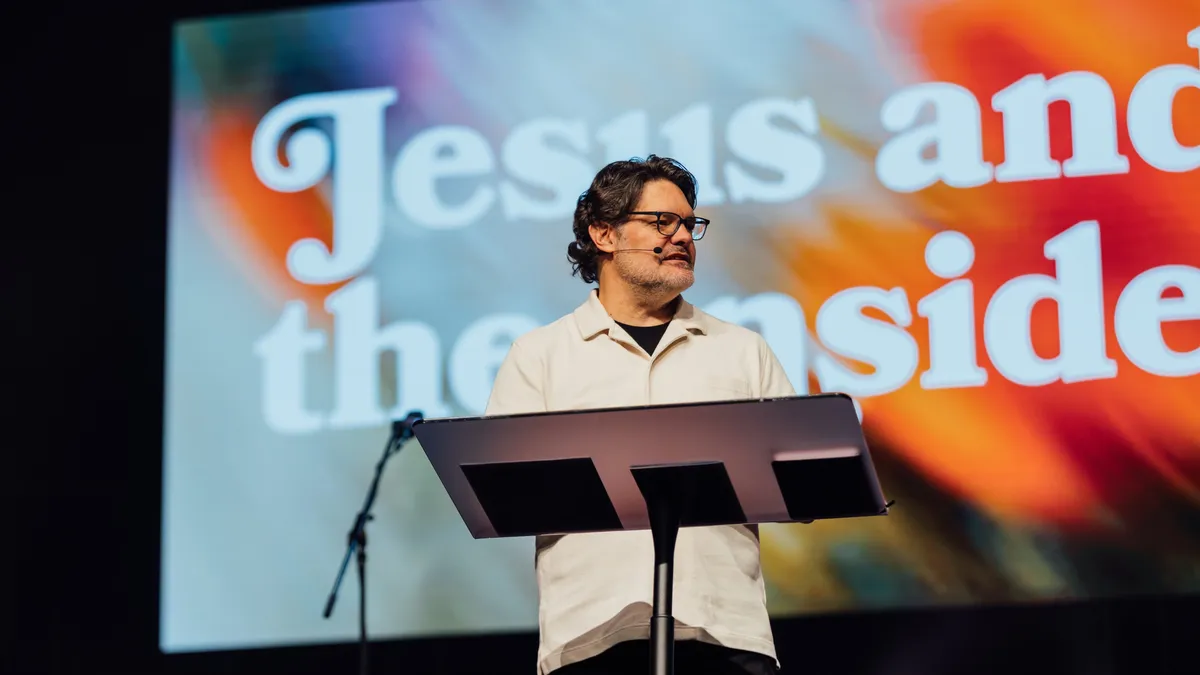
Hope and Forgiveness: Why Jesus Prayed "Father, Forgive Them" in Luke 23
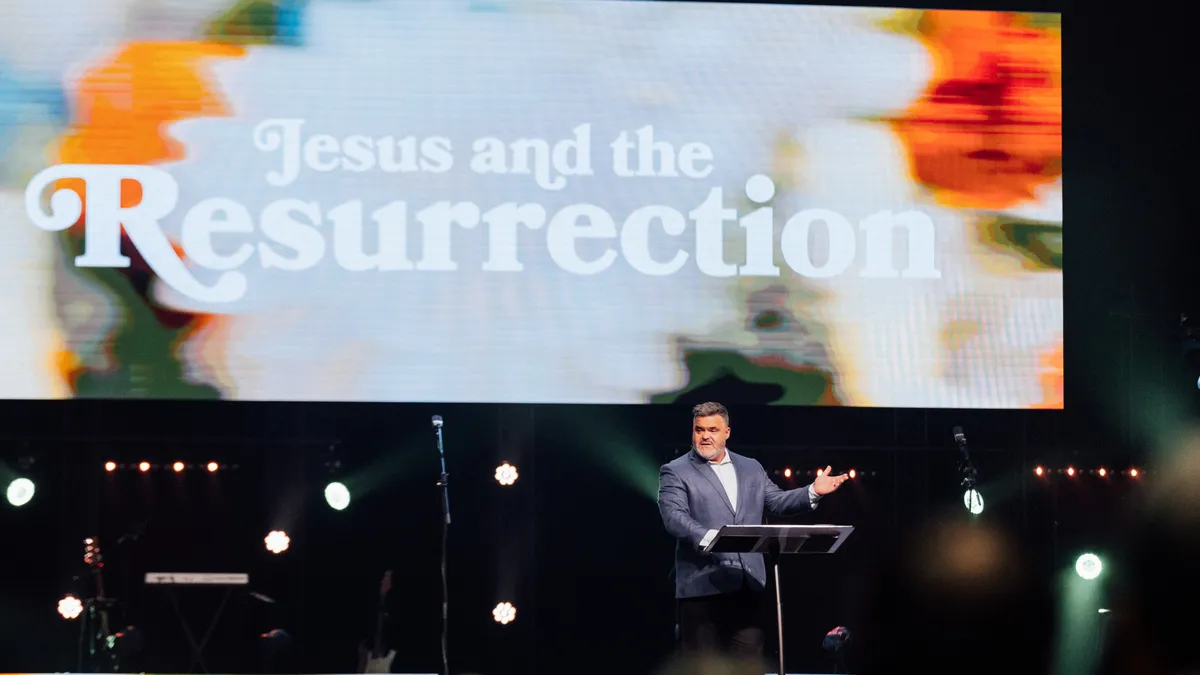
Jesus and the Resurrection
April 5, 2026 | Pastor Marty Sloan
More from Jesus and...Watch the full livestream on YouTubeSubscribe on YouTube
Does the resurrection change anything about your Monday? Pastor Marty Sloan answered that question on Easter Sunday with two words: hope and forgiveness. Because Jesus rose from the dead, even death isn't final for those who trust Him. And because Jesus forgave the people crucifying Him, you can release the grievances you've been carrying and receive the forgiveness you need.
Key takeaways
- The resurrection means death is not the end for those who believe in Jesus, so Christians can grieve with hope (1 Thessalonians 4:13 to 14).
- On the cross, Jesus prayed, "Father, forgive them, for they do not know what they are doing" (Luke 23:34), choosing forgiveness over grievance.
- Jesus connects receiving God's forgiveness with forgiving others in Matthew 6:14 to 15.
- Forgiving someone hands the situation to God and ends the habit of rehearsing the offense, even when what happened was truly wrong.
What difference does the resurrection make?
The resurrection gives you hope that reaches beyond this life. Everyone hopes for something: a better doctor's report, a way to pay the bills, a restored relationship. The hope Jesus offers goes further, because He conquered death itself.
Brothers and sisters, we do not want you to be uninformed about those who sleep in death, so that you do not grieve like the rest of mankind, who have no hope. For we believe that Jesus died and rose again, and so we believe that God will bring with Jesus those who have fallen asleep in him.
1 Thessalonians 4:13 to 14
In Matthew 28, two women named Mary walked to the tomb expecting to find a body. Instead they felt an earthquake, saw an angel sitting on the stone, and heard astonishing news: "He is not here; he has risen, just as he said" (Matthew 28:6).
Pastor Marty called the resurrection "the end that became the beginning." Easter is a weekend of hope. He described the resurrection as God's bold declaration that He always has the final word, and that what looks like the end is just the beginning. Death couldn't stop Jesus, and the grave couldn't hold Him. You don't get to choose how long you live, but you do get to choose where you spend eternity.
Why did Jesus say "Father, forgive them"?
Jesus forgave because sin had blinded the people crucifying Him, and because forgiveness was the reason He came. The cross reveals a Savior who forgave freely, fulfilled salvation's plan perfectly, and submitted completely. His death was no accident. Pastor Marty explained that "they do not know what they are doing" doesn't mean the soldiers didn't realize they were crucifying someone. Their hearts were blind to what their actions really meant.
Jesus said, "Father, forgive them, for they do not know what they are doing." And they divided up his clothes by casting lots.
Luke 23:34
Most of us can relate to that kind of blindness. For example, almost everyone can point to something and say, "If I'd known then what I know now, I never would have done that." Sin clouds our judgment in exactly that way.
What do the two criminals teach us?
The two criminals show two possible responses to Jesus. One mocked Him, demanding that He save Himself and them. The other admitted his guilt, recognized Jesus' innocence, and asked for mercy.
Then he said, "Jesus, remember me when you come into your kingdom." Jesus answered him, "Truly I tell you, today you will be with me in paradise."
Luke 23:42 to 43
Pastor Marty observed that people today still stand in one of those two places. Some mock faith entirely. Others say, "Jesus, I need You," even while they still have questions. He admitted that after decades of studying Scripture, he still has things he wants to ask God, because no one can fully figure out an infinite God.
What is the difference between forgiveness and grievance?
A grievance is an offense you keep rehearsing and holding against someone. If anyone had the right to hold one, it was Jesus. Judas betrayed Him, Peter denied Him, the disciples fled, the crowds mocked Him, religious leaders condemned Him, and the government executed Him.
Yet at the cross Jesus modeled forgiveness. He chose forgiveness over grievance and released forgiveness instead of rehearsing their offenses. Pastor Marty contrasted the two this way:
- Grievance keeps the wound open, while forgiveness releases healing.
- Grievance looks backward, while forgiveness looks upward and trusts God.
- Grievance demands repayment, while forgiveness trusts God with justice and says, "God, this is in Your hands now."
Our culture constantly rehearses offenses. For example, scroll social media for a few seconds and you'll find someone to be angry at, often a stranger. The cross invites followers of Jesus to live differently.
Do I have to forgive to be forgiven?
Jesus links the two directly. Pastor Marty openly admitted that this passage "sits a little bit rough," and he still believes it completely.
For if you forgive other people when they sin against you, your heavenly Father will also forgive you. But if you do not forgive others their sins, your Father will not forgive your sins.
Matthew 6:14 to 15
Notice the word "when." People will sin against you; that's a certainty in this life. Many of us want a special exception for what we went through. Pastor Marty's response was simple: look at what they did to Jesus. In the middle of His suffering, He still prayed for His enemies.
Bear with each other and forgive one another if any of you has a grievance against someone. Forgive as the Lord forgave you.
Colossians 3:13
Forgiving doesn't erase the hurt, and it doesn't require you to ignore wisdom. You can still feel pain, process what happened, and make sensible adjustments. What you cannot do is hold unforgiveness. Pastor Marty also noted that each of us has been the offender as well as the offended. That realization makes us grateful for grace. Forgiveness is strength shaped by the cross.
Where does forgiveness come from?
Forgiveness comes from the cross. Jesus modeled forgiveness there, and He also made a way for you to be forgiven by God.
In him we have redemption through his blood, the forgiveness of sins, in accordance with the riches of God's grace.
Ephesians 1:7
Pastor Marty compared unforgiveness to drinking poison and hoping the other person dies. Often the person you resent doesn't even know it, and they're living their life while you stay bound. You've been freely forgiven, so you can freely forgive. For further reading on Jesus' words from the cross, Pastor Marty recommended The Seven Sayings of the Saviour on the Cross by A. W. Pink and Cross-Shattered Christ by Stanley Hauerwas.
Steps toward forgiving someone
- Name the person and the offense honestly before God. Don't pretend it didn't happen or didn't hurt.
- Read Luke 23:33 to 43 and notice what Jesus prayed while He was suffering.
- Remember a time you needed forgiveness yourself.
- Pray out loud: "God, You forgave my trespasses, and I choose to forgive theirs. This is in Your hands now."
- When the memory returns, hand it back to God again instead of rehearsing it.
Pray
Father God, thank You for sending Jesus to be my Savior. Jesus, thank You for giving Your life for me and for rising again. I confess that I am a sinner in need of a Savior. You have forgiven my trespasses, and today I choose to forgive those who have trespassed against me. I release what I've been holding and trust You with it. In Jesus' name, amen.
Talk about it
- Have you accepted Jesus' forgiveness of your sins? What difference has it made?
- Do you willingly forgive others, or is there a grievance you keep rehearsing?
- Jesus forgave while He was betrayed, mocked, and condemned (Luke 23:34). What does His example say about the hurt you are carrying?
- How does the resurrection change the way you face loss and grief (1 Thessalonians 4:13 to 14)?
Common questions
What does "Father, forgive them, for they do not know what they are doing" mean?
Jesus prayed this in Luke 23:34 for the people crucifying Him. It means their hearts were blinded by sin to the meaning of what they were doing. Jesus chose to forgive instead of holding a grievance, modeling the forgiveness He calls His followers to practice.
Do Christians have to forgive people who hurt them?
Yes. In Matthew 6:14 to 15, Jesus ties receiving God's forgiveness to forgiving others, and Colossians 3:13 says to forgive as the Lord forgave you. Forgiveness releases the debt to God without calling the wrong acceptable.
Does forgiving mean forgetting?
No. You can still hurt, process what happened, and make wise adjustments in the relationship. Forgiveness means you stop holding the offense against the person and trust God with justice.
Why does the resurrection give Christians hope?
Because Jesus died and rose again, death is not final for those who believe in Him. First Thessalonians 4:13 to 14 says believers grieve, but not like those who have no hope, because God will bring with Jesus those who have died in Him.
Your next step
If you have never received Jesus' forgiveness, ask Him today to forgive your sins and be your Savior. If forgiveness feels impossible right now, reach out to our care team. And if you made a decision to follow Jesus, take your next step with us.